
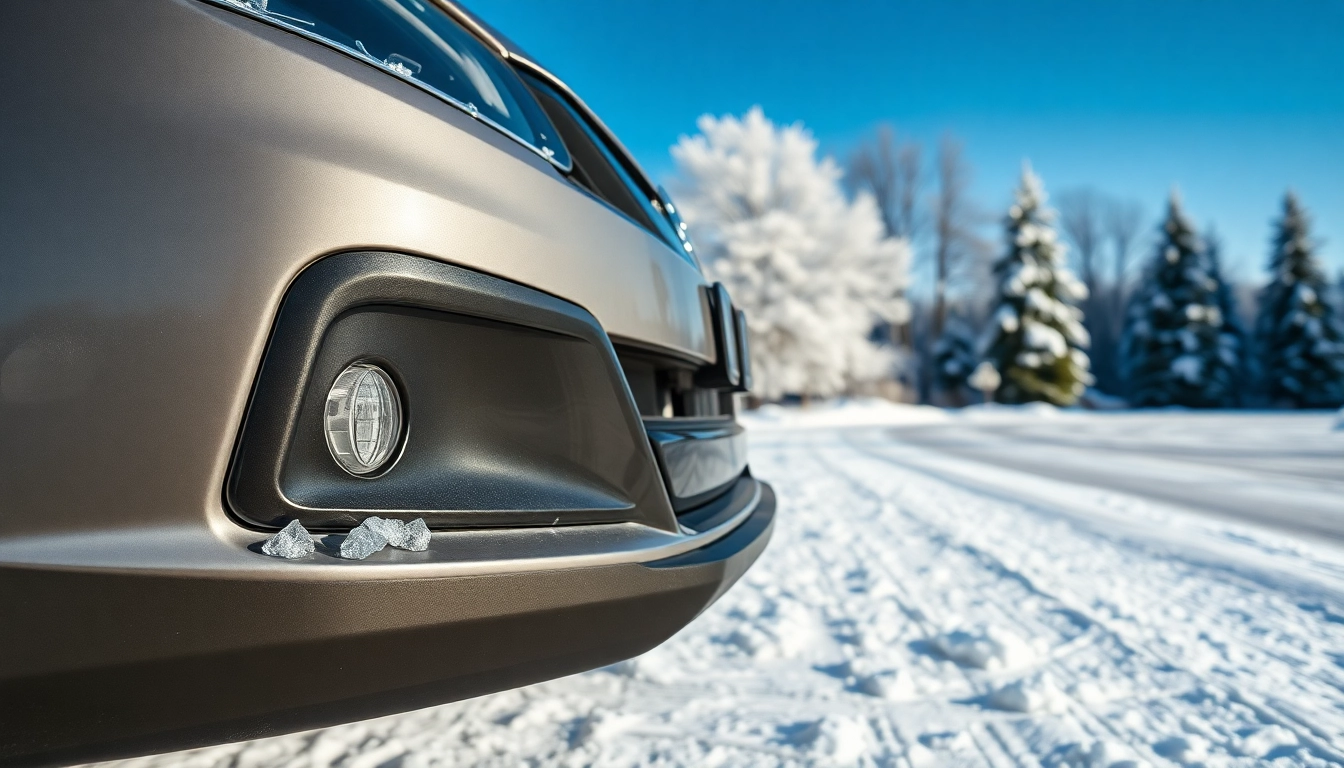
Understanding PPF Winter Road Salt Protection
When the winter season hits, the roads are often covered with salt to combat ice and snow. While this keeps drivers safer, road salt can wreak havoc on vehicle finishes. Fortunately, PPF winter road salt protection serves as a valuable shield for your vehicle, preventing unsightly damage and costly repairs. This article will explore the intricacies of paint protection film (PPF), its importance for vehicle maintenance in winter, and how it can safeguard your car’s aesthetic value.
What is PPF and How Does it Work?
Paint Protection Film (PPF) is a transparent, thermoplastic urethane film designed to absorb impacts and shield a vehicle’s paint from various environmental hazards, including road salt, dirt, and minor abrasions. Its primary function is to act as a barrier, protecting the original paint from scratches, chips, and stains.
PPF works through a self-healing property, where minor scratches and scuffs can disappear when exposed to heat. This feature is particularly beneficial during the harsh winter months when your vehicle is more likely to encounter road debris and abrasive contaminants. The film’s adhesive backing allows it to bond seamlessly to the vehicle’s surface, making it nearly invisible once applied.
Importance of Road Salt Protection for Vehicles
Road salt is essential for winter driving safety; however, unchecked exposure can lead to significant damage. Salt and moisture can corrode metal surfaces and promote rust formation, especially on unprotected vehicles. In addition, deterioration not only affects a vehicle’s appearance but can also impact its overall structural integrity.
Effective PPF winter road salt protection prevents these issues by creating a formidable barrier against salt and moisture, maintaining a vehicle’s aesthetic and resale value. Untreated vehicles may face paint chipping and corrosion, leading to costly repairs that could have been avoided with an initial investment in PPF.
How PPF Can Shield Your Vehicle’s Finish
PPF is designed to resist many forms of damage, including those caused by harsh weather and chemical exposure. The film is engineered to repel water and dirt, thus reducing the buildup of harmful substances from road salts and other contaminants. This self-cleaning effect minimizes the required maintenance while ensuring the vehicle remains protected.
Moreover, PPF also offers UV protection, safeguarding the paint from discoloration and fading from sunlight exposure. This dual protection means that in addition to keeping your car safe from road salt, you are prolonging the life and appearance of your vehicle’s paint through PPF. The combination of resistance to solvents, high durability, and flexibility makes PPF an ideal choice for winter protection.
Common Challenges with Road Salt in Winter
Effects of Road Salt on Vehicle Surfaces
Winter road salt can lead to a variety of damages to a vehicle’s exterior. When the salt comes into contact with the metal surfaces, it can accelerate rust formation, leading to weak spots that compromise structural safety. Additionally, the gritty texture of salt can act like sandpaper against the paint, causing scratches and dullness to the finish.
Notably, untreated areas can develop visible signs of corrosion, reducing the lifespan of components such as bumpers, grills, and painted surfaces, which may lead to expensive repairs. Therefore, understanding the damaging effects of road salt is key to implementing effective protection measures.
Signs of Damage from Winter Elements
Early signs of damage from winter road salt can be subtle but identifying them early can save vehicle owners significant repair costs. Common signs include:
- Rust spots: Visible patches on the metal surface indicate corrosion beneath the paint.
- Faded paint: Exposure to road salt and UV rays can lead to discoloration, making your vehicle look aged.
- Scratches: Dents and abrasions are often more prominent in unprotected areas where the paint is chipped away.
- Loss of shine: A dull finish can signify that the protective layer of wax or sealant has been compromised by salt exposure.
Regular inspections during winter can help catch these signs early, ensuring timely intervention before damage becomes severe.
Cost Implications of Neglecting PPF Protection
Neglecting protective measures like PPF may seem cost-effective initially, but the long-term implications can be significant. Repairs from rust damage, professional detailing, or repainting can quickly add up. For instance, repainting a vehicle can cost thousands of dollars depending on the extent of damage and the quality of paint used. In contrast, applying PPF is a one-time investment that pays dividends over the vehicle’s lifespan by maintaining its appearance and structural integrity.
Moreover, a well-maintained vehicle retains its resale value significantly better than one with visible signs of wear and tear, making PPF a financially sound decision for long-term vehicle care.
Best Practices for Applying PPF
Preparing Your Vehicle for PPF Application
Before applying Paint Protection Film, it’s crucial to prepare the vehicle properly to ensure the best results. Start by washing the car thoroughly, removing any dirt, grime, and previous wax or sealants. Use a pH-neutral automotive soap and rinse adequately. Drying the surface completely is imperative to avoid trapping moisture underneath the film.
Next, inspect the paint for any imperfections such as swirls or scratches. Addressing these issues prior to PPF application can enhance the film’s effectiveness and appearance. Lastly, working in a dust-free environment with controlled temperature can further improve adhesion and finish quality.
Choosing the Right Type of PPF for Your Needs
There are various types of PPF available on the market, ranging from basic to high-end options. When selecting the right type for your vehicle, consider factors such as:
- Thickness: Thicker films generally offer better protection but may be less flexible.
- Finish: PPF is available in both matte and gloss finishes, allowing for personalization according to the vehicle’s aesthetic.
- Self-healing properties: Some films feature advanced self-healing technology that helps minor scratches disappear.
- Warranty: Consider the manufacturer’s warranty terms, which can indicate the longevity of the product.
Consulting with a professional or doing thorough research can ensure you select the best PPF suited to your requirements.
Professional vs. DIY Installation Considerations
Deciding between professional installation and DIY application depends on several factors, including experience, budget, and the type of PPF. Professional installers generally provide a warranty and have the expertise to deal with tricky areas like curves and edges.
On the other hand, if you are handy and have done similar projects, DIY application can result in savings and might also be a fun weekend project. It is important to follow instructions meticulously and use quality tools to achieve the best possible outcome.
Ultimately, if you’re unsure, consulting a professional is always a wise choice.
Maintaining PPF for Longevity
Routine Care for Protected Surfaces
Maintaining the integrity of PPF is crucial for its longevity. Routine care involves washing the vehicle regularly to remove dirt, road salt, and other contaminants that can compromise the film. It’s best to use a gentle pH-neutral soap and a soft microfiber cloth to prevent scratching. Additionally, applying a specialized PPF sealant can enhance its protective qualities and shine.
Cleaning Techniques to Avoid Damage
When cleaning a vehicle protected with PPF, avoid abrasive techniques that can damage the film. Here are some tips for safe cleaning:
- Avoid high-pressure washers: These can lift edges of the PPF or cause water to seep behind it.
- Don’t use harsh chemicals: Stick to products specifically designed for PPF.
- Dry with care: Use a soft microfiber towel to dry the surface gently.
Being mindful of cleaning practices ensures the film remains intact and visually appealing.
Regular Inspections and When to Replace PPF
Conducting regular inspections is essential to evaluate the condition of your PPF. Look for signs of peeling, yellowing, or any physical damage. Depending on environmental factors and the quality of the film, a well-maintained PPF may last several years but will eventually require replacement. If you notice significant imperfections that could compromise its protective ability, consider getting the film replaced to ensure vehicle protection remains effective.
Frequently Asked Questions about PPF Winter Road Salt Protection
What is PPF’s effectiveness against road salt?
PPF is highly effective at preventing damage from road salt, adding a layer of protection against corrosion and surface wear.
How long does PPF last in winter conditions?
A quality PPF can last several years, particularly when maintained properly, even in harsh winter conditions.
Can I apply PPF myself?
While professional installation ensures the best results, experienced DIYers can apply PPF with proper guidance and tools.
What are the costs associated with PPF?
Costs vary based on the vehicle and type of PPF but investing in protection can save you money on repairs in the long run.
Do I need to special wash my vehicle with PPF?
No special washing is needed, but using a pH-neutral soap and soft cloths is recommended to maintain the PPF’s integrity.