
Introduction to Sports Broadcasting
Understanding Sports Broadcasting
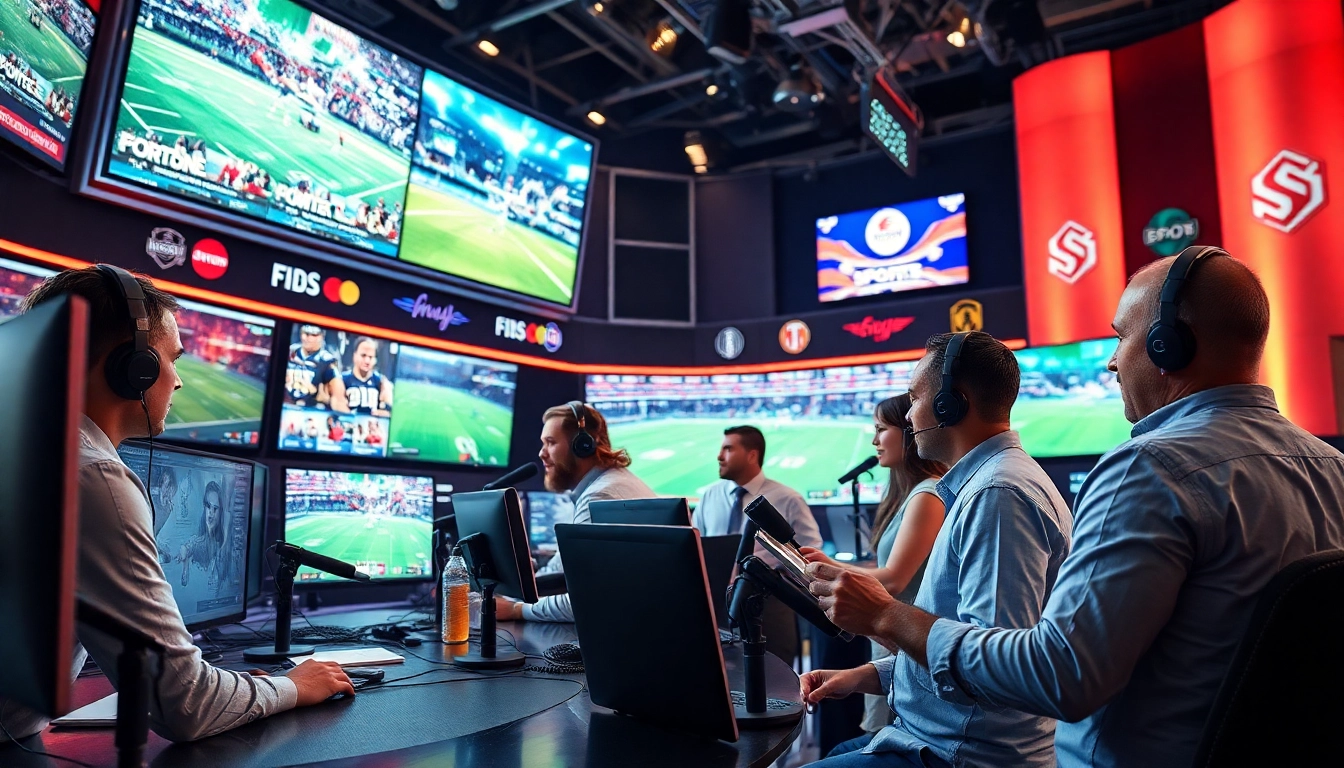
Sports broadcasting is a dynamic and multifaceted industry that encompasses the live transmission of sporting events, behind-the-scenes analyses, and engaging storytelling designed to captivate an audience. It merges entertainment, journalism, and technology to share the thrill of sports with fans worldwide. Whether through television, radio, or online platforms, sports broadcasting has become an essential part of the sporting universe, building a bridge between athletes and their audience. Many sports enthusiasts regularly engage with content related to Sports Broadcasting, accessing not only live games but also insightful commentary, expert analyses, and engaging narratives around the events.
The Evolution of Sports Broadcasting
The journey of sports broadcasting has been phenomenal, tracing its roots back to the early 20th century with the advent of radio. The first major sports broadcast occurred in 1921, when a baseball game was aired for the first time. This innovative leap paved the way for televised broadcasts, fundamentally altering how fans experienced sports. The 1950s and 60s marked a turning point as television became the dominating medium for sports broadcasts, introducing visual storytelling and instant replays that changed fan engagement forever. Today, with streaming services and 24/7 access, sports broadcasting is more interactive and diversified than ever, catering to a global audience.
Key Terminology in Sports Broadcasting
Familiarity with industry lingo is crucial for anyone involved in sports broadcasting. Terms such as “play-by-play,” “color commentary,” “analysis,” and “live telecast” are fundamental to understanding the roles and responsibilities within the industry. Additionally, concepts like “broadcast rights,” “digital distribution,” and “viewer engagement” shape how networks operate and communicate with audiences. Knowledge of these terms helps professionals and enthusiasts alike to navigate the vast landscape of sports media.
Technical Aspects of Sports Broadcasting
Essential Equipment for Sports Broadcasting
The backbone of sports broadcasting is its technology. Essential equipment includes high-definition cameras, microphones, mixing consoles, and satellite uplinks, each playing a significant role in delivering quality content. Cameras capture the action from various angles, while microphones ensure that viewers can hear the commentary and immerse themselves in the atmosphere. Additionally, broadcasting software powers live feeds, graphics, and instant replays, enhancing the viewer experience. Ensuring high-quality production often involves considerable investments in equipment, but the payoff in audience engagement is significant.
Broadcasting Techniques and Approaches
Effective broadcasting requires a skillful blend of techniques to communicate the excitement of sports events. Techniques include camera placement strategies that highlight crucial moments, use of slow-motion analysis to break down key plays, and the incorporation of graphics to visualize statistics and player information. Broadcasters employ storytelling techniques that resonate with audiences, crafting narratives that go beyond mere scores to include emotional and human elements. Keeping viewers engaged during live telecasts demands a mastery of these methods, ensuring that each broadcast feels both professional and dynamic.
Live vs. Recorded Sports Broadcasting
Sports broadcasting can be broadly categorized into live and recorded formats. Live broadcasting captures the raw adrenaline of events as they unfold, offering viewers unmatched excitement and immediacy. Conversely, recorded broadcasts allow for enhanced production quality, editing, and storytelling. Each format has its merits, with live broadcasts often suitable for crucial matches or events while recorded content allows for detailed analyses, interviews, and highlights that can enrich viewer understanding. Choosing the appropriate format for each content piece is essential in maximizing audience engagement.
Content Creation in Sports Broadcasting
Storytelling in Sports Broadcasting
Storytelling is at the heart of compelling sports broadcasting. Crafting a narrative around athletes, teams, and events fosters a deeper connection with viewers. Whether it’s highlighting a player’s journey or providing context around a team’s historical significance, effective storytelling captivates fans. Broadcasters leverage various media forms—such as pre-game features, post-match analyses, and human-interest stories—to enrich the viewing experience. High-quality productions often feature character-driven narratives that resonate more profoundly with audiences, transforming mere broadcasts into remarkable viewing experiences.
Engaging Your Audience Through Commentary
Commentary is pivotal in sports broadcasts, serving not only to inform but also to entertain the audience. Effective commentators blend expert analysis with an engaging delivery, creating an authentic sports atmosphere. Good commentators can enhance the excitement of a play, evoke emotion during critical moments, and deliver nuanced insights that enrich viewers’ understanding of the game. The interaction between commentators and fans—often facilitated by social media—allows for real-time feedback and engagement, ultimately developing a loyal and invested viewership.
Utilizing Social Media for Sports Broadcasting
In an increasingly digital world, social media has emerged as a powerful tool for sports broadcasting. Broadcasters leverage platforms like Twitter, Instagram, and TikTok to reach wider audiences, sharing clips, behind-the-scenes content, and updates. Social media enhances viewer engagement by fostering dialogue between fans and broadcasters. Live-tweeting games, sharing highlights, or creating interactive polls can deepen audience involvement and keep sports fans continually connected to the action. Harnessing the potential of social media is essential for modern broadcasters seeking to maximize their reach and engagement levels.
Challenges in Sports Broadcasting
Addressing Ethical Issues
With the evolving landscape of sports broadcasting, ethical considerations are increasingly paramount. Issues such as biased commentary, sensationalism, and the handling of sensitive topics require a robust framework for ethical broadcasting. Maintaining fairness and integrity in reporting is crucial for building trust with audiences. Transparency, accountability in sourcing information, and sensitivity to the implications of reported content are essential principles for establishing and maintaining credibility in the sports media landscape.
Navigating Competition in Sports Broadcasting
The sports broadcasting arena is highly competitive, with numerous outlets vying for viewership and advertising revenue. Networks must constantly innovate and distinguish themselves to remain relevant. Differentiation can come in the form of unique content, exclusive rights to events, innovative viewer interaction methods, or superior production quality. Additionally, understanding audience preferences and trends through analytics can give broadcasters a competitive edge; tailoring content to meet specific viewership requirements is essential for retaining and growing an audience.
Technical Difficulties and Solutions
Technical issues can derail even the most well-planned broadcasts. Problems such as equipment failure, connectivity issues, or power outages pose significant challenges. To mitigate these risks, broadcasters must invest in backup systems and conduct thorough pre-event testing of all equipment. Establishing efficient protocols for rapid technical problem-solving during live events is also important. Continuous training for broadcasting staff on handling equipment malfunctions can further minimize disruptions and enhance overall production reliability.
Future Trends in Sports Broadcasting
Impact of Technology on Sports Broadcasting
The future of sports broadcasting is inherently linked to technological advances that continue to shape viewer experiences. Innovations such as virtual reality (VR) and augmented reality (AR) offer immersive ways for fans to engage with events, allowing them to “attend” games from home. Artificial intelligence (AI) plays a role in analyzing game footage and providing recommendations for improved content customization. Connectivity enhancements, such as 5G networks, allow for higher-quality streaming with reduced latency, fundamentally changing the broadcast landscape.
Emergence of OTT Platforms in Sports Broadcasting
Over-the-top (OTT) platforms have revolutionized how sports content is accessed. These platforms allow viewers to watch games on-demand, enabling them to tailor their viewing schedules without adhering to traditional broadcasting timelines. Consequently, traditional broadcasters must adapt to this shift, possibly by providing their own OTT services or collaborating with existing platforms. An understanding of how to leverage these platforms effectively is vital for staying competitive and reaching wider audiences.
Audience Engagement Strategies for the Future
Engaging audiences in the future will rely on leveraging data analytics to understand viewer preferences better. Tailoring content based on insights into audience behavior, such as preferred viewing times, types of events, and interactive elements can significantly boost engagement. Additionally, employing gamification strategies, where fans can participate in contests and trivia, adds another layer of interaction. Sustained engagement will require broadcasters to be agile in adapting to evolving viewer demands and capitalizing on real-time data.
FAQs
What are the key roles in sports broadcasting?
The main roles include producers, anchors, commentators, and technical staff, each contributing uniquely to the production process.
How has technology changed sports broadcasting?
Technology has introduced high-definition broadcasting, instant replays, and multi-angle coverage, enhancing the viewing experience significantly.
What should I look for in broadcasting equipment?
Look for durability, sound quality, and compatibility with various media formats to ensure effective broadcasting performance.
How can commentary enhance a sports broadcast?
Effective commentary adds excitement, context, and emotional engagement, enriching the viewer’s experience and keeping them hooked.
What are the challenges facing modern sports broadcasters?
Challenges include high competition, ethical concerns, and evolving audience preferences, requiring adaptability and innovation.